Gentle exercise for all ages and fitness levels.


Move Your Whole Body
Snorkeling leverages your body’s movements for exercise working muscles against the water’s resistance.
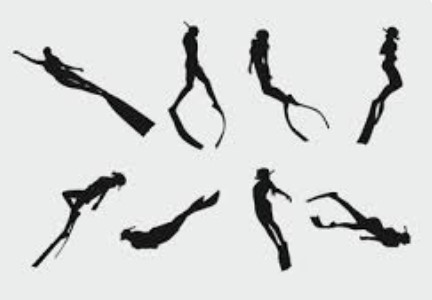
Reduce Impact
The water supports your body, reducing the impact on your joints, which makes snorkeling excellent for people with joint pain or those looking for a gentle workout.


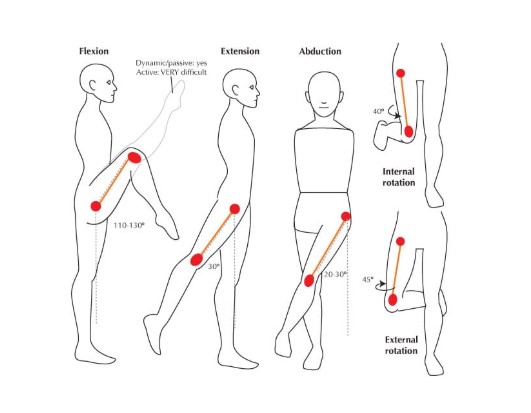
Improve Flexibility
The water’s properties help release tension and allow for a greater range of motion, promoting joint flexibility and mobility.

Improve Cardiovascular Health
Regular, rhythmic movements in the water increase your heart rate, making your heart muscle stronger and improving blood flow and cardiovascular fitness.
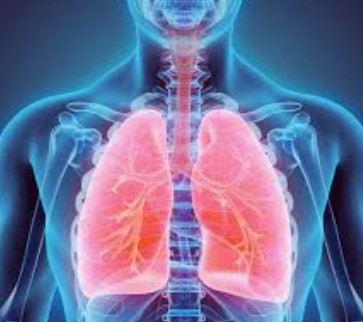
Improve Lung Function
The need for controlled breathing while snorkeling helps strengthen the diaphragm and respiratory muscles, leading to better lung capacity and overall breathing efficiency.
Reduce Stress
Snorkeling reduces stress through a combination of physical and mental factors, including the release of endorphins from gentle exercise, the meditative effects of rhythmic breathing, and the calming, immersive experience of being in the ocean. The sensation of weightlessness, the connection with nature, and the mindful focus required can lower cortisol levels and shift the mind from stressful thoughts to the present moment.
Practice Freediving
Learning to free dive while snorkeling is fun because it lets you move beyond the surface to experience the underwater world up close, quietly interacting with marine life on a single, exhilarating breath.


Snorkel
Less expensive

✓ Snorkel, mask and fins
✓ No formal training required, snorkeling is intuitive, easy, and open to all
✓ Can free dive 30-60ft deep with practice
✓ Unlimited – snorkel and free dive all day long
✓ No boat needed, no sea sickness, snorkel from the beach and take breaks when you need them
✓ Children 5-6 years old can learn how to snorkel
✓ Snorkel with just a few people in shallow waist deep water close to the beach until you feel more comfortable
Scuba
More expensive

✓ Snorkel, mask, fins, wetsuit, weights, tank, regulator, BCD, SPG, dive computer
✓ Course needed, health and swimming screening, knowledge development, pool dives, open water dives
✓ Open Water Diver certificate depth limit is 60ft
✓ Limited – dive time governed by no-decompression limits, only 2-3 hours of dive time allowed per day
✓ A boat is usually part of an open water experience
✓ Must be 10 years old to earn a Junior Open Water Diver certificate
✓ Going 50ft deep in open water with a big group of people is usually the plan
Safety Considerations

Snorkel
Less dangerous
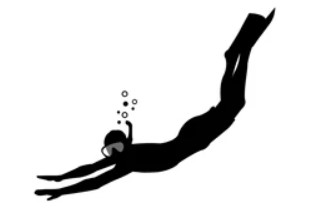
✓ Risk of drowning is lower when something happens at the surface
✓ You can go deep at your own pace
✓ You can choose how far away from the beach to go
✓ No risks from breathing compressed gas underwater
✓ Remember which direction along the shore you were snorkeling and just turn around and swim the other way when you need to head back to the beach for a break, plan ahead to ensure you are never swimming against a challenging current on your way back to the beach, always bring your buddy
✓ Look for snorkel tubes on the surface anytime to stay close to your buddy and group
Scuba
More dangerous
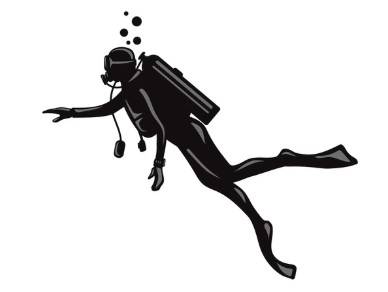
✓ Risk of drowning is higher when something happens 50ft underwater
✓ You go deep with a group of people at a specific time
✓ You’re in open water jumping out of a boat
✓ Risks from breathing compressed gas underwater include decompression sickness and arterial gas embolism
✓ Being 50ft deep for an hour is disorientating and even though the buddy system is required when people get impatient and separated they can get really lost and sometimes never found
✓ Explore underwater in pairs and later meet your group at a predesignated place and time underwater for ascension
Snorkeling’s accessibility, lower cost, and minimal training requirements make it a great option for beginners, families, and those with mobility issues looking for a more simple, casual adventure experience at the water’s surface near the beach. Snorkeling requires less equipment and no certification, allowing you to see marine life without the complex gear, time commitment, and higher risk associated with scuba diving.
Snorkeling does carry risks. That’s why it’s so important to have regular safety meetings to discuss specific risk factors.
More Safety Considerations
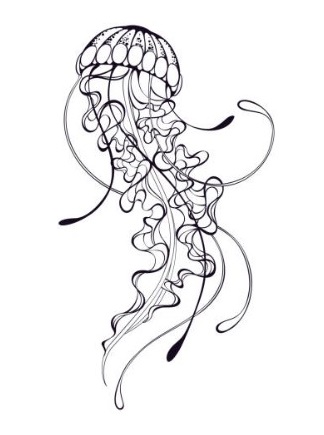
Jellyfish
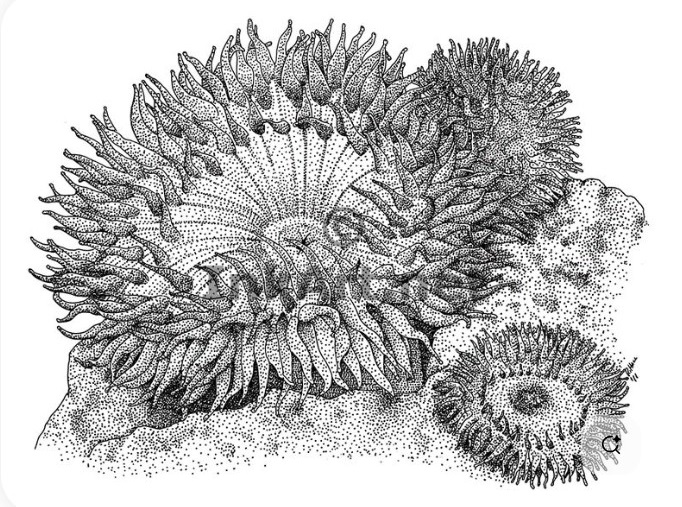
Anemones
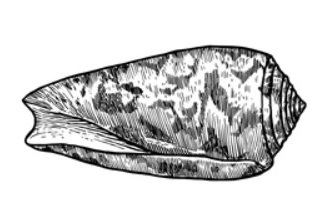
Cone Snails
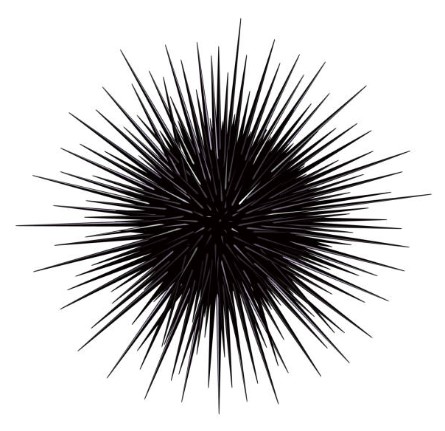
Sea Urchins
Nurse Shark
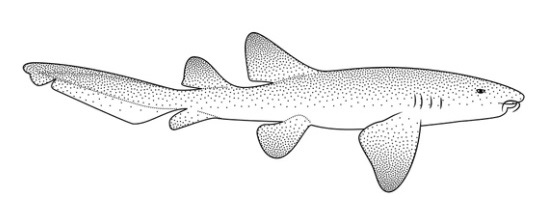
Reef Shark
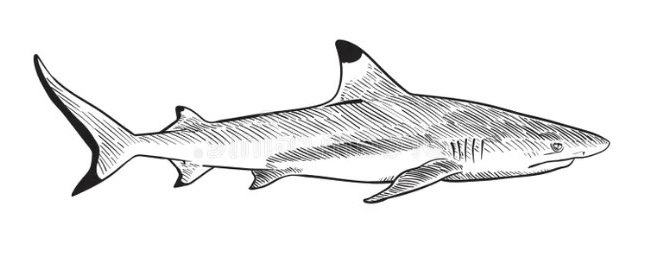
Bull Shark
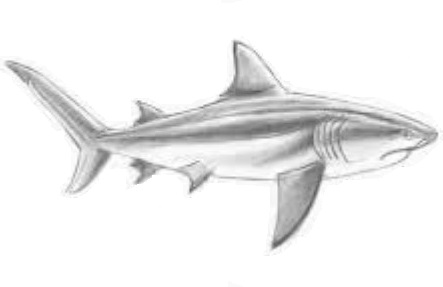
Tiger Shark
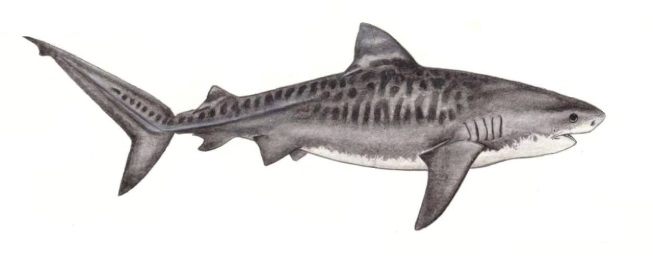
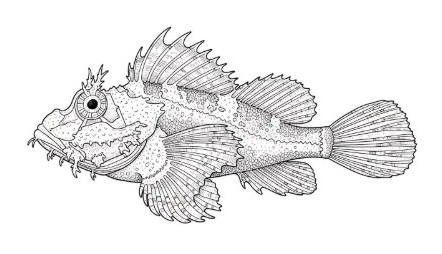
Stonefish
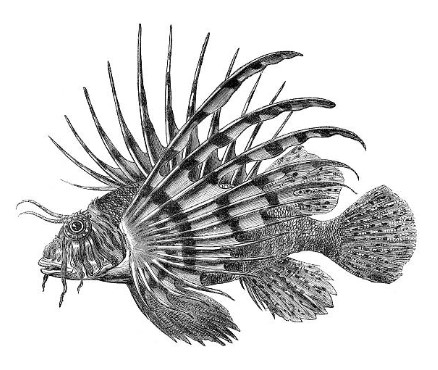
Lionfish
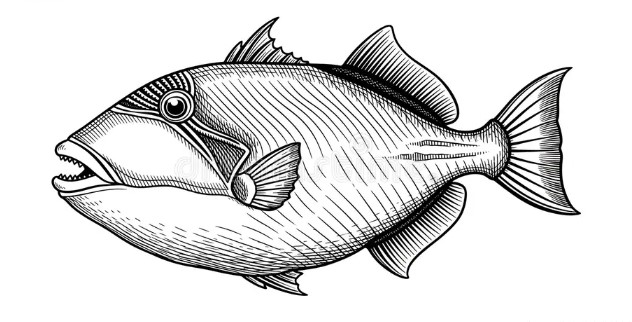
Triggerfish
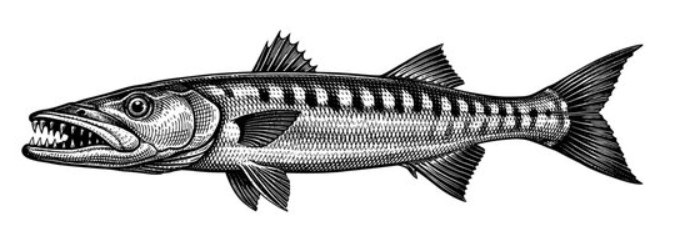
Barracuda
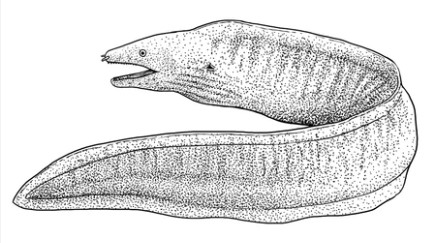
Moray Eel
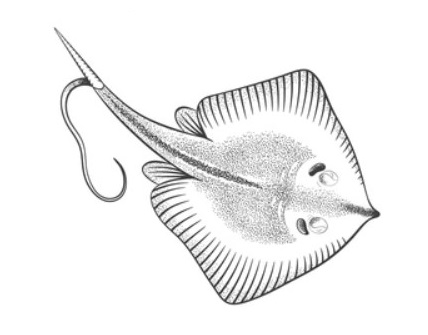
Stingray
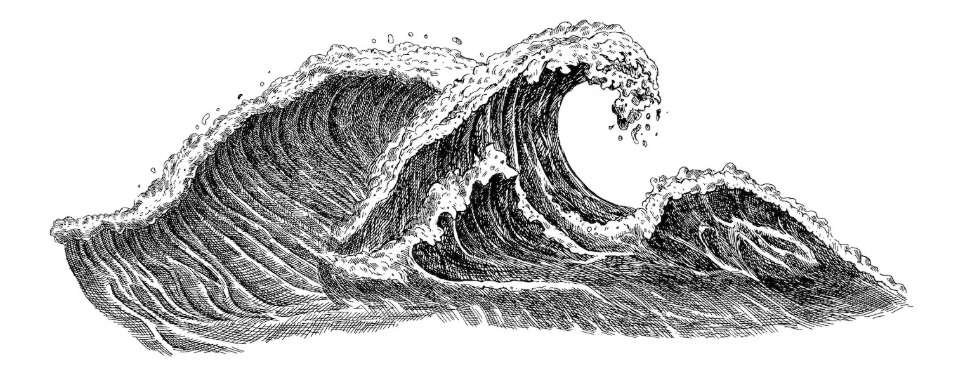
Big Waves
Rip Currents
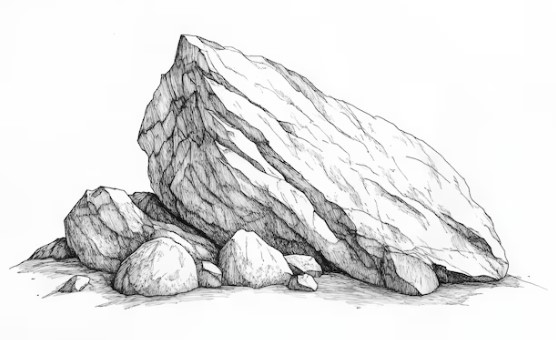
Sharp Rocks
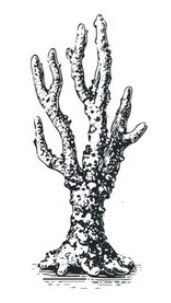
Hard Branching Coral
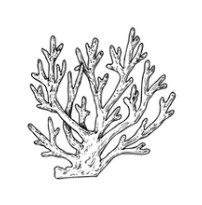
Coral Fragments
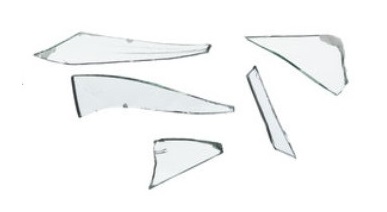
Broken Glass
As we navigate the intricate tapestry of existence, we are constantly presented with choices, each a potential pathway to something extraordinary. This is a world where creativity knows no bounds, where the curious mind finds solace, and where the fearless heart discovers uncharted territories. It is a place where the pursuit of knowledge, the embrace of change, and the willingness to take risks are not mere options but essential ingredients for a life well-lived.
Welcome to a world of limitless possibilities, where the journey is as exhilarating as the destination, and where every moment is an opportunity to make your mark on the canvas of existence. The only limit is the extent of your imagination.
The shallow reefs you see while snorkeling host a high biodiversity and receive a lot of sunlight. Reef-building corals are found in clear, shallow tropical waters because they need a lot of sunlight for photosynthesis. Snorkelers can see a high biodiversity underwater ecosystem including reef-building corals directly from the surface.


 Snorkel Expeditions